
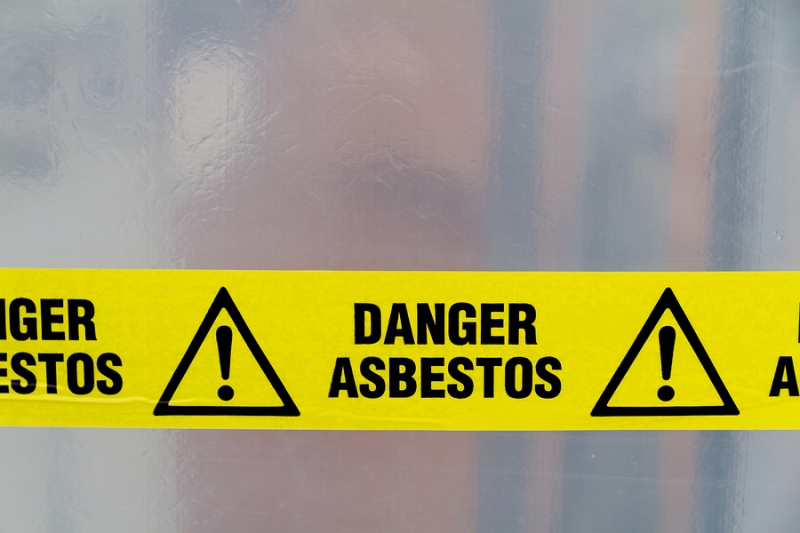
You never know for sure whether a material contains asbestos until you get it tested. Gathering and storing an asbestos sample is not an easy task, therefore we have listed the complete asbestos sampling procedure so that you know how it is done:
Preparation before sampling
- Make sure that no one is around while you take the samples.
- Turn off all fans, air conditioners, or heaters to prevent asbestos fibers from spreading in the air.
- If the sampling is done outdoors, then perform the procedure on a non-windy day.
- Be very cautious, and don’t disturb the material more than necessary to remove a small specimen because you might disturb the asbestos in it (if any).
- Arrange these things before collecting the material for sampling:
Re-sealable plastic bags, pliers, disposable coveralls, water-resistant sealant, plastic drop sheet, water spray bottle, P2 respirator, and rubber gloves.
Taking the sample
- Wear disposable coveralls and gloves.
- Put on the RPE – Respiratory Protective Equipment.
- Spread the plastic drop sheet on the floor so that it can catch any loose material that might fall while taking samples.
- Mix a few drops of detergent with water. Spray it on the material, because dampened material will prevent asbestos fibers from releasing.
- Use the pliers to cut a small piece from the whole material. This is crucial — so be very careful!
- Now for the fiber cement sheeting process — take the specimen from the corner or any existing break in the material.
- Put the small cut-out piece in the plastic bag.
- Put the plastic bag containing your sample into another empty bag (just as a precautionary measure).
- Write the date and location on the bag. Also include an asbestos caution warning.
- Once the sample is carefully put in the container, make sure that it is tightly sealed.
- Clean the outer surface of the container and the sample bag with a wet cloth
- Throw away the material used for sampling, according to State procedures.
- Seal the sample bag with a small piece of tape, so that there are no ways for fibers to release from the sample.
- Send the collected sample to an approved laboratory for further testing.
Clean up
- Seal the cracks of the material using a waterproof sealant.
- Dispose of the plastic drop sheet carefully by putting it in another plastic garbage bag.
- Wipe off all the equipment used for sampling, with a wet cloth
- Dispose of the used gloves and coveralls, along with the wet towel or cloth, by putting them into a garbage bag.
- Don’t remove the RPE until the cleaning process is completed.
- Wash your hands properly with an anti-bacterial soap.
Removing asbestos on your own is neither an easy nor a safe procedure. You should exercise proper caution and utmost care while collecting an asbestos sample. If you have any doubts or safety concerns, refrain from doing it yourself and seek help from a professional.
